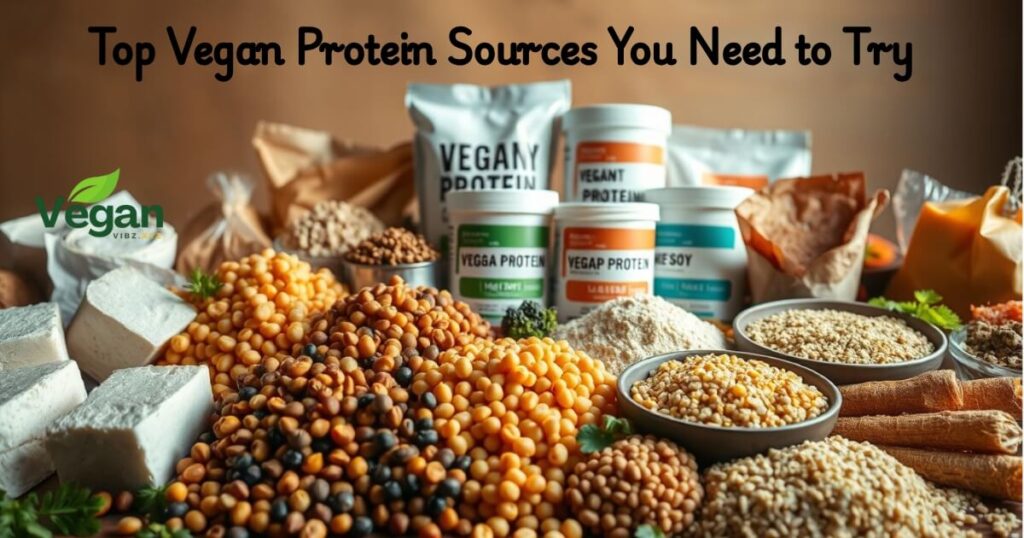
Exploring vegan nutrition, I found out that 40% of Americans now follow a flexitarian diet or are vegan. This change makes it key to know about high protein vegan foods for a balanced diet.
Protein is essential for our body’s repair and growth. Luckily, there are many vegan protein sources to choose from. Legumes, nuts, and seeds offer a wide range of options.
Key Takeaways
- Legumes are among the highest vegan protein sources.
- Nuts and seeds are not only rich in protein but also in healthy fats.
- Whole grains like quinoa are complete proteins, making them an excellent choice.
- Tofu and tempeh are versatile and rich in protein.
- Incorporating a variety of these foods ensures you meet your protein needs.
The Protein Question: My Vegan Journey
When I started a vegan lifestyle, I faced a lot of questions about protein. Many people think it’s hard to get enough protein without animal products. I’m here to share my experience and clear up some common misconceptions.
Debunking Common Protein Myths
One big myth is that vegans can’t get enough protein. But, with a bit of planning, it’s easy to get all the protein you need from plant-based protein options. Here are some myths and facts about vegan protein:
| Myth | Fact |
|---|---|
| Vegans can’t get enough protein | Many plant foods are rich in protein, such as legumes, nuts, and seeds |
| Plant proteins are incomplete | While some plant proteins are low in certain amino acids, a varied diet can provide all essential amino acids |
Why I Prioritize Plant Proteins
I chose plant proteins for my health and the planet. Animal agriculture is a big source of greenhouse gas emissions. By eating less animal products, I’m helping reduce my carbon footprint.
Personal Health Benefits I’ve Experienced
Since going vegan, I’ve felt much better. My energy is up, and I have less inflammation. This is thanks to eating protein-rich vegetarian foods.
Environmental Impact Considerations
Choosing plant proteins also matches my environmental values. By eating vegan protein sources list items like lentils and chickpeas, I support sustainable farming.
What Vegan Foods Have Protein? My Go-To Sources

As a vegan, I often get asked about my protein sources. I’m happy to share my favorites with you. Getting enough protein from plants is easier than you might think.
Complete vs. Incomplete Proteins Explained
Proteins are made of amino acids, some of which our bodies can’t make. Complete proteins have all nine essential amino acids. Incomplete proteins are missing one or more.
Most vegan foods are incomplete proteins. But, you can mix different foods to get all the amino acids you need.
For example, eating whole grains with legumes gives you a complete protein. You don’t need all amino acids in one meal. It’s about getting them all day long.
How Much Protein Do You Actually Need?
How much protein you need depends on your age, sex, weight, and how active you are. Sedentary adults need about 0.8 grams of protein per kilogram of body weight per day.
Calculating Your Personal Requirements
To figure out your protein needs, first find your weight in kilograms. Then, multiply that by the recommended amount based on your activity level.
Protein Needs for Different Activity Levels
If you’re more active, you need more protein. Here’s a simple table to show how much protein you might need based on your activity level:
| Activity Level | Protein Intake (g/kg/day) |
|---|---|
| Sedentary | 0.8 |
| Lightly Active | 1.2-1.3 |
| Moderately Active | 1.3-1.5 |
| Very Active | 1.6-2.2 |
Knowing your protein needs and which vegan foods are high in protein makes it easy to eat well. Legumes, nuts, and seeds are some of my favorite high protein vegan foods.
Legumes: The Foundation of My Protein Intake
Legumes are key in my vegan diet, offering lots of protein and being easy to cook with. They’re not just tasty but also full of protein, making them perfect for a plant-based diet.
Beans That Pack a Protein Punch
Beans are some of the most protein-rich legumes. They’re also super versatile in recipes. Here are some of my top picks:
Black Beans (15g per cup)
Black beans are a must-have in my kitchen, with 15g of protein per cup. I love them in salads, tacos, and vegan burritos.
Chickpeas (14.5g per cup)
Chickpeas are another favorite, with 14.5g of protein per cup. I enjoy them in hummus, stews, and as a crunchy snack.
Kidney Beans (13g per cup)
Kidney beans offer 13g of protein per cup. They’re great in chili and as a side dish.
| Bean Type | Protein Content per Cup | Common Uses |
|---|---|---|
| Black Beans | 15g | Salads, tacos, burritos |
| Chickpeas | 14.5g | Hummus, stews, roasted snacks |
| Kidney Beans | 13g | Chili, side dishes |
Lentil Varieties I Can’t Live Without
Lentils are a go-to for protein. They come in green, red, and yellow, each with unique cooking times and textures.
Lentils are not just high in protein but also in fiber and minerals. I use them in soups, curries, and as a base for vegan meatballs.
Peas and Other Overlooked Legumes
Peas, like garden peas and snow peas, are often overlooked for protein. But they’re great in salads, stir-fries, and pasta dishes, adding sweetness and protein.
Adding a variety of legumes to my diet has been a big change. From beans and lentils to peas, these foods boost my protein intake. They also add flavor, texture, and nutrition to my meals.
Soy Products: Versatile Protein Champions
Soy products are not just high in protein but also super versatile. As a vegan, I love how easy it is to add them to my meals. They come in many forms, making every day different.
Tofu: How I Transformed from Hater to Fan
At first, tofu wasn’t my thing. But learning how to prepare it changed everything. It’s all about knowing the right techniques.
Silken, Firm, and Extra-Firm Varieties
Tofu has different textures, like silken, firm, and extra-firm. Silken tofu is perfect for smoothies or desserts. Firm and extra-firm tofu are better for grilling or stir-frying.
Preparation Techniques That Changed Everything
Pressing and marinating tofu can really improve its taste and texture. I press extra-firm tofu before marinating it in soy sauce, garlic, and ginger.
Tempeh: The Fermented Protein Powerhouse
Tempeh is a fermented soybean product with a nutty taste and firm texture. It’s packed with protein and probiotics. It’s great in salads, stir-fries, and sandwiches.
Edamame, Soy Milk, and Other Soy Options
There are more soy products like edamame, soy milk, and soy yogurt. Edamame is a tasty snack. Soy milk is good in cereal, smoothies, or as a milk substitute.
Adding these soy products to my diet has increased my protein and meal variety. Tofu, tempeh, and other soy foods are not only healthy but also delicious.
Seitan: My Favorite Meat Alternative
Seitan has become a top choice for me in my search for vegan protein. It’s made from wheat and is great in many dishes, like stir-fries and sandwiches.
Why I Love This Wheat-Based Protein
Seitan’s meat-like texture is a big plus for me. It’s also packed with protein and can be seasoned in many ways. The ability to absorb flavors is a big reason I enjoy cooking with it.
Making Seitan at Home: My Simple Method
Making seitan at home is easy. I mix wheat gluten flour with water to create a dough. Then, I rinse the dough to get rid of starch, leaving the gluten. This process can be therapeutic and lets me control the texture and flavor.
- Mix wheat gluten flour with water to form a dough.
- Rinse the dough to remove starch.
- Cook the resulting gluten.
Store-Bought Brands Worth Your Money
While making seitan at home is rewarding, sometimes store-bought is easier. Brands like Upton’s Naturals and Field Roast offer great seitan products. They have a consistent texture and flavor that I trust.
Adding seitan to my diet has been a big change. It’s a versatile and satisfying plant-based protein option that I love.
Nuts and Seeds: Small Packages, Big Protein

Exploring vegan protein sources, I’m always impressed by nuts and seeds. They’re small but packed with protein and other nutrients. This makes them a great choice for a vegan diet.
Top Protein-Rich Nuts in My Pantry
Nuts are easy to snack on and can add protein to meals. Here are some of my top picks:
Almonds (6g per ounce)
Pistachios (6g per ounce)
Peanuts (7g per ounce)
I love snacking on these nuts or adding them to oatmeal and salads. It’s a tasty way to get more protein.
Seeds That Supercharge My Meals
Seeds are also a great protein source and can be used in many dishes. My favorites include:
Hemp Seeds (10g per 3 tablespoons)
Pumpkin Seeds (8g per ounce)
Chia and Flax Seeds
These seeds are not just for protein. They also have healthy fats and fiber. They’re perfect for smoothies, baked goods, and salads.
Adding nuts and seeds to my diet has really helped with protein. They’re versatile, nutritious, and tasty. They’re a key part of my vegan protein sources.
Whole Grains: Unexpected Protein Sources
Whole grains are often overlooked as a protein source in vegan diets, but they shouldn’t be. While many focus on legumes and soy products, whole grains offer a valuable alternative. I’ve come to appreciate their nutritional benefits, including their protein content.
Quinoa: The Complete Protein Grain
Quinoa stands out as a complete protein grain, meaning it contains all nine essential amino acids. This makes it an excellent choice for vegans. I often incorporate quinoa into my meals for a protein boost.
Other Grains That Boost My Protein Intake
Besides quinoa, other grains contribute significantly to my protein intake.
Amaranth (9g per cup cooked)
Amaranth is another grain that is high in protein. It’s also rich in minerals like calcium and iron.
Spelt (11g per cup cooked)
Spelt is an ancient grain that not only provides protein but is also easier to digest for some people compared to modern wheat.
Wild Rice (7g per cup cooked)
Wild rice, while technically a grass, is used as a grain and offers a good amount of protein. It’s also high in fiber and antioxidants.
| Whole Grain | Protein Content (per cup cooked) |
|---|---|
| Quinoa | 8g |
| Amaranth | 9g |
| Spelt | 11g |
| Wild Rice | 7g |
Incorporating these whole grains into my diet has been a game-changer for meeting my protein needs. They not only provide protein but also offer other nutritional benefits, making them a great addition to a vegan diet.
Vegan Protein Supplements I Actually Enjoy
As a vegan, I’ve found that protein supplements are a big help. There are many options out there. It’s important to know what to look for and how to use them in your meals.
Plant-Based Protein Powder Reviews
I’ve tried many plant-based protein powders. Here are some of my top picks:
Pea Protein Isolates
Pea protein isolates are very good for you. They have lots of amino acids. Naked Pea and NOW Sports make great ones.
Brown Rice Protein
Brown rice protein is great for people with sensitive stomachs. Sunwarrior is a top choice in this category.
Multi-Source Blends
Multi-source blends mix different proteins. They give you all the amino acids you need. Ritamino is a favorite among vegans.
| Protein Powder | Protein Content | Price |
|---|---|---|
| Naked Pea | 25g per serving | $29.99 |
| Sunwarrior Brown Rice | 20g per serving | $34.99 |
| Ritamino Multi-Source | 22g per serving | $39.99 |
How I Choose Quality Supplements
I look for supplements that are third-party tested and simple. It’s also important to see if they have certifications like NSF International or Informed-Choice.
“The key to a successful supplement routine is consistency and patience. It may take some trial and error to find the right product for your needs.”
Incorporating Protein Powders Into Daily Meals
I add protein powder to my smoothies or oatmeal for extra protein. You can also use it in desserts or snacks. Try different recipes to find your favorite ways to use protein powder. Check: Discover the Best Vegan Protein Powder for Weight Loss
My Favorite High-Protein Vegan Recipes
I’ve picked out some top high-protein vegan recipes for you. They’re tasty and full of protein to help you meet your daily needs.
Breakfast Protein Boosters
Starting with a protein-rich breakfast keeps you full until lunch. Here are two breakfast favorites:
Tofu Scramble (20g protein)
This vegan version of scrambled eggs uses extra-firm tofu, turmeric, and spices. It’s great with whole-grain toast or wraps.
Protein-Packed Overnight Oats (15g protein)
Combine rolled oats, plant-based milk, and protein powder in a jar. Chill it overnight. Top with nuts or seeds in the morning for extra crunch.
Lunch and Dinner Protein Combinations
For lunch and dinner, mix different proteins to hit your daily goals. Here are two recipes I love:
Lentil and Quinoa Bowl (25g protein)
Cook lentils and quinoa with veggies and spices. This bowl is a protein powerhouse, giving you all the amino acids you need.
Tempeh Stir-Fry (22g protein)
Marinate tempeh in soy sauce and spices, then stir-fry with veggies. Serve over brown rice or noodles for a filling meal.
High-Protein Vegan Snacks
Snacking is a great way to add protein. Here are two snack recipes I enjoy:
Homemade Energy Balls (8g protein)
Make bite-sized energy balls with rolled oats, nut butter, and protein powder. They’re perfect for snacking on the go.
Roasted Chickpeas (7g protein per 1/4 cup)
Toss chickpeas with olive oil and spices, then roast until crispy. They’re a crunchy, protein-rich snack.
Adding these high-protein vegan recipes to your diet ensures you get enough protein. Try different ingredients and recipes to find your new favorites!
Conclusion: Thriving on Plant Protein
Exploring vegan protein sources has opened my eyes to a wide variety of options. Legumes like lentils and chickpeas, and soy products like tofu and tempeh, are just the start. There are many vegan foods packed with protein to choose from.
My journey has shown that adding different vegan protein sources to my diet is not only doable but also tasty. Nuts and seeds, such as almonds and chia seeds, are excellent additions. Whole grains, like quinoa, also offer a complete protein boost.
For those who want to supplement their diet, there are many high-quality vegan protein powders. Brands like NOW Sports and Garden of Life offer great options. By mixing these plant-based protein sources, I’ve kept my vegan diet balanced and satisfying.
If you’re starting your vegan journey or just want to try new things, I urge you to check out the many vegan protein sources out there. With a bit of creativity, you can thrive on a plant-based diet and enjoy its many benefits.
FAQ
What are some high protein vegan foods?
Legumes like lentils, chickpeas, and black beans are great. Soy products like tofu and tempeh are also good. Nuts and seeds, such as almonds, chia seeds, and hemp seeds, are excellent choices too.
How much protein do I need on a vegan diet?
The protein you need depends on your activity level and age. Generally, you need about 0.8 grams of protein per kilogram of body weight. If you’re active, aim for 1.2-1.6 grams per kilogram.
Are there any complete protein sources in a vegan diet?
Yes, some plant-based foods are complete proteins. Quinoa, chia seeds, and spirulina are examples. You can also get a complete protein by pairing whole grains with legumes.
Can I get enough protein from plant-based protein powders?
Absolutely! Plant-based protein powders like pea protein, brown rice protein, and hemp protein are great. Just make sure to choose a reputable brand and follow the serving size.
What are some easy ways to boost protein in my vegan meals?
Adding beans or lentils to soups and stews is easy. Using tofu or tempeh in stir-fries is another good idea. Sprinkling nuts and seeds on salads or oatmeal is simple too. Try adding protein-rich grains like quinoa and amaranth to your meals.
Are there any vegan protein sources that are also high in other nutrients?
Many vegan protein sources are also rich in other nutrients. Legumes are high in fiber, vitamins, and minerals. Nuts and seeds are rich in healthy fats and antioxidants. Soy products like tofu and tempeh are good sources of iron and calcium.