Did you know that nearly 1 in 10 women of childbearing age have Polycystic Ovary Syndrome (PCOS)? This hormonal disorder can cause infertility, weight gain, and insulin resistance. My own battle with PCOS was tough, but switching to a vegan diet changed everything.
Going plant based diet improved my health a lot. I now have a regular menstrual cycle and less insulin resistance. I want to tell you how a vegan diet can help manage PCOS symptoms.
Key Takeaways
- Understanding the impact of PCOS on women’s health
- Exploring the benefits of a vegan diet in managing PCOS symptoms
- Personal strategies for adopting a vegan lifestyle
- Tips for incorporating vegan meals into your daily routine
- The role of nutrition in hormonal balance and overall well-being
My PCOS Diagnosis: When Everything Changed
I remember the day I got my PCOS diagnosis. It was a mix of relief and overwhelm. It marked the start of my journey to understand and manage my condition.
The Day I Learned I Had Polycystic Ovary Syndrome
Months of struggling with symptoms led to my diagnosis. I had irregular periods and unexplained weight gain. When the doctor said “you have PCOS,” I felt a mix of emotions.
There was relief in knowing what was wrong. But fear about my future also crept in.
My Initial Struggles with Traditional Treatments
I first tried traditional treatments, like hormone-regulating medication. These treatments helped a bit but had side effects. They didn’t offer a lasting solution.
This led me to look for other ways to manage my PCOS. I started exploring the benefits of a vegan lifestyle for PCOS management. A plant-based diet seemed promising for hormone regulation and overall health.
| Symptom | Traditional Treatment | Vegan Lifestyle Approach |
| Hormonal Imbalance | Hormone Regulation Medication | Dietary Changes, Plant-Based Diet |
| Insulin Resistance | Metformin | Low Glycemic Index Foods, Lifestyle Changes |
| Weight Management | Diet and Exercise | Nutrient-Dense, Vegan Diet, Regular Physical Activity |
By choosing a vegan diet, I aimed to fight my PCOS symptoms differently. The benefits of a vegan diet for PCOS looked promising. It could improve insulin sensitivity and help with weight loss.
This journey needed commitment but I believed it could greatly improve my health.
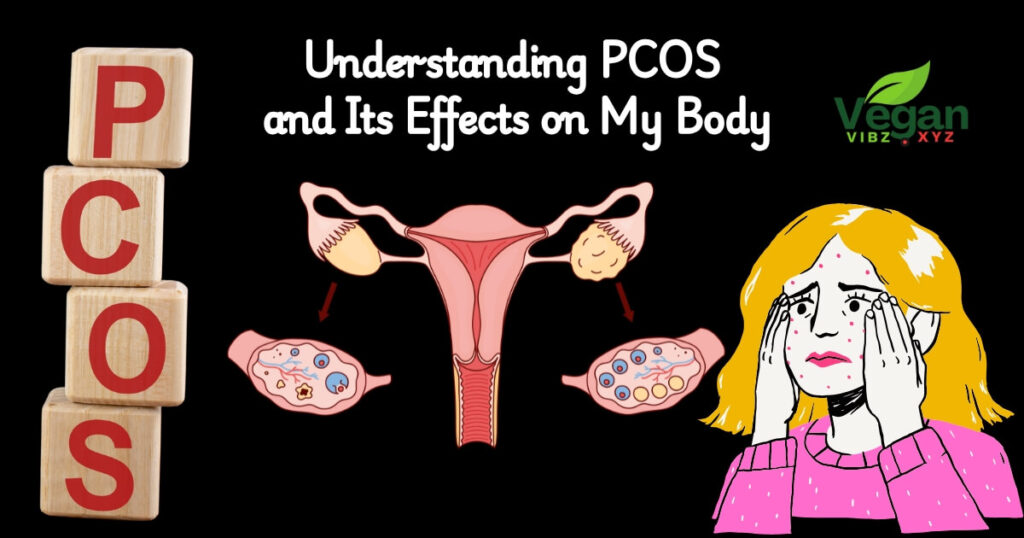
Understanding PCOS and Its Effects on My Body
Getting diagnosed with PCOS started my journey to grasp the science behind my symptoms. PCOS, or Polycystic Ovary Syndrome, is a complex disorder that affects women of childbearing age. It impacts not just reproductive health but also overall well-being.
The Science Behind My Symptoms PCOS symptoms vary among women, but common ones include irregular periods, weight gain, and ovarian cysts. Research links PCOS to insulin resistance, a risk factor for type 2 diabetes. Understanding hormonal and metabolic issues helped me see how diet and lifestyle changes could help manage my symptoms.
Long-term Health Concerns That Worried Me
PCOS raises the risk of insulin resistance, type 2 diabetes, and heart disease. The idea of managing these risks through diet was empowering. A vegan diet for hormone balance seemed appealing, as it could improve insulin sensitivity and metabolic health.
| Health Concern | Impact of PCOS | Potential Benefit of Vegan Diet |
| Insulin Resistance | Increased risk | Improved insulin sensitivity |
| Type 2 Diabetes | Higher risk | Reduced risk through weight management |
| Cardiovascular Diseases | Increased risk due to metabolic syndrome | Lower risk through improved lipid profiles |
Understanding PCOS and its effects on my body helped me make informed health choices. Adopting a vegan diet was one of them, aiming to reduce some of PCOS’s negative impacts.
How Diet Influences PCOS Symptoms
Exploring the link between diet and PCOS symptoms opened my eyes to new ways to manage my health. I learned that some foods can make PCOS symptoms worse, while others can help. This knowledge changed how I eat to better manage my condition.
The Food-Hormone Connection I Discovered
The connection between diet and hormones is complex. Foods high in processed ingredients and sugars can cause insulin resistance, common in PCOS. Switching to a vegan meal plan for PCOS helped me control my blood sugar and improve insulin sensitivity.
This change in diet also helped balance my hormones, reducing my PCOS symptoms.
Why My Previous Diet Was Making Things Worse
Looking back, I see how my old diet was harming me. Eating animal products and processed foods led to hormonal imbalances. These foods are often full of saturated fats and lack important nutrients, making PCOS symptoms worse.
Switching to a plant-based diet full of fruits, veggies, and whole grains helped me manage my symptoms better. This experience showed me how crucial a plant based diet is for managing PCOS .
By choosing the right foods, people with PCOS can actively manage their condition. A well-thought-out vegan diet can be a key part of this journey. It can lead to better hormonal balance and overall health.
My PCOS Vegan Diet Journey Begins
Starting my journey with a vegan diet for PCOS was exciting. I wanted to see how plants could help my symptoms and health.
My research showed the vegan diet’s benefits for PCOS. It’s full of fruits, veggies, and whole grains. These foods can balance hormones and improve insulin use.
Research That Changed My Perspective
A study in a top nutrition journal caught my eye. It showed a vegan diet can greatly help PCOS symptoms. Women on a vegan diet saw better hormone levels and cycles.
This study made me confident in changing my diet and lifestyle. I started looking for pcos-friendly vegan recipes and eating more plant-based foods.
Setting My Goals and Expectations
Starting my vegan journey, I set clear goals. I wanted to eat less processed food and more whole foods. I knew it would take time to see big changes in my PCOS symptoms.
Setting reachable goals and being patient helped me stay on track. I was eager to see how a vegan lifestyle for PCOS management would improve my health.
Transitioning to Plant-Based: My First Three Months
My first three months on a vegan diet for PCOS were a rollercoaster. I faced challenges and early victories. It was a journey of discovery in a new dietary landscape.
Initial Challenges I Faced
The start was tough with intense cravings for non vegan foods. I had to get creative with meals to get enough protein and nutrients. It was a learning curve, but I was determined to succeed.
Adapting My Kitchen and Lifestyle
Changing my kitchen to vegan cooking was a big step. I bought new cookbooks and gadgets. I also changed my grocery shopping to whole, plant-based foods. Because I realized by avoiding certain foods highly matters in PCOS management. These changes made cooking fun and varied.
Early Wins That Kept Me Motivated
Despite the challenges, I had early wins. I felt more energetic and saw a decrease in PCOS symptoms. These improvements made me more confident in managing PCOS through diet.
These early successes helped me stay committed to a vegan lifestyle for PCOS management.
Essential Nutrients I Prioritize for My PCOS Management
Managing PCOS through diet is crucial. I focus on essential nutrients in my vegan diet. A balanced vegan diet helps manage PCOS symptoms.
Plant-Based Proteins That Stabilize My Hormones
Plant-based proteins are key for hormone balance. I eat foods like lentils, chickpeas, tofu, and tempeh. They help with hormone regulation and keep me full.
- Lentils: Rich in protein and fiber, lentils are a staple in my diet.
- Chickpeas: Versatile and nutritious, chickpeas are used in various dishes.
- Tofu and Tempeh: These soy products are excellent sources of protein and are easily incorporated into meals.
Anti-Inflammatory Foods That Reduced My Symptoms
Inflammation is a big issue for PCOS. I eat foods like berries, leafy greens, and colorful fruits and vegetables. They’re full of antioxidants and reduce inflammation.
Key anti-inflammatory foods include:
- Berries: High in antioxidants, berries help combat oxidative stress.
- Leafy Greens: Spinach, kale, and collard greens are rich in vitamins and minerals.
- Other Vegetables: Colorful vegetables like bell peppers and carrots are also beneficial.
Supplements That Filled My Nutritional Gaps
Even with a good vegan diet, supplements are sometimes needed. I take omega-3 fatty acids, vitamin B12, and probiotics. They support hormone balance and health.
- Omega-3 Fatty Acids: Supports heart health and reduces inflammation.
- Vitamin B12: Essential for nerve function and the production of red blood cells.
- Probiotics: Promotes gut health, which is linked to hormone regulation.
By focusing on these nutrients, my PCOS symptoms have improved a lot. A balanced vegan diet and the right supplements are key to my health.
My Weekly Meal Plan: Eating for Hormone Balance
I started my journey to balance hormones with a vegan meal plan. It focuses on plant based foods rich in nutrients. This helped me manage my PCOS symptoms better.
Blood Sugar-Balancing Breakfasts I Love
Starting my day with a balanced breakfast is key. My favorites include:
- Oatmeal with Fresh Fruits: Steel-cut oats with almond milk and fresh fruits.
- Chia Seed Pudding: Chia seeds in coconut milk, topped with nuts and berries.
- Avocado Toast: Whole-grain toast with mashed avocado, cherry tomatoes, and nutritional yeast.
Nutrient-Dense Lunches That Power My Day
For lunch, I choose meals that give me energy. Some favorites are:
- Quinoa Salad: Mixed quinoa, roasted veggies, chickpeas, and citrus vinaigrette.
- Lentil Soup: A bowl of lentil soup with veggies and spices.
- Vegan Wraps: Whole-grain wraps with hummus, cucumber, bell peppers, and sprouts.
Satisfying Dinners That Support My Healing
Dinner is a chance to nourish my body. Some dinner ideas include:
- Vegan Stir-Fry: A colorful stir-fry with veggies, tofu, and brown rice.
- Grilled Vegetable Skewers: Skewers with herbs and lemon, served with quinoa or couscous.
Healthy Snacks That Keep Cravings at Bay
To fight cravings, I have healthy snacks ready. These include raw veggies with hummus, fresh fruit, and energy balls from oats and nuts.
Physical Transformations: Six Months on a PCOS Vegan Diet
After six months on a PCOS vegan diet, I saw big changes in my health. This journey showed me the benefits of a vegan diet for PCOS management.
Weight Changes I Experienced
My weight was one of the first things I noticed. Eating vegan helped me lose weight, which made my insulin work better. The weight loss was slow but steady, showing a healthier way to manage weight with PCOS.
How My PCOS Symptoms Improved
The vegan diet was key in managing PCOS with a vegan diet. My acne got better, and my periods became more regular. These changes also made me feel better mentally, reducing anxiety about PCOS symptoms.
Unexpected Benefits Beyond Hormonal Health
But there were more benefits than just hormonal ones. I felt more energetic and had better digestion. These changes showed the benefits of a vegan diet for PCOS go beyond just hormones, improving my overall health.
In conclusion, my time on a PCOS vegan diet was life-changing. The physical changes not only helped with my PCOS symptoms but also made my life better overall. This shows how effective managing PCOS with a vegan diet can be.
My Medical Results: Before and After Going Vegan
Switching to a vegan diet was a big step for me. But the changes in my health were clear. With PCOS, I was eager to see how food could help. A vegan diet made a big difference in my hormone levels and insulin resistance.
Changes in My Hormone Panels
My hormone panels showed a big change. Before, my testosterone was too high, a common issue for women with PCOS. But after six months of vegan eating, my testosterone levels went down a lot. This helped reduce my PCOS symptoms like acne and too much hair.
Here is a summary of my hormone panel results:
| Hormone | Before Vegan Diet | After 6 Months on Vegan Diet |
| Testosterone (ng/dL) | 85 | 45 |
| Insulin (μU/mL) | 20 | 10 |
Improvements in My Insulin Resistance Markers
My insulin resistance markers also improved a lot. Before, my insulin levels were high, showing I was resistant to insulin. But after going vegan, my insulin levels went down. This was a big win for my health, as it lowered my risk of type 2 diabetes.
My journey with PCOS and vegan nutrition has been eye-opening. The data from my medical results shows how a vegan diet can balance hormones and improve health. By choosing my food wisely, I’ve been able to better manage my PCOS symptoms.
Addressing Common Concerns About Vegan Diets for PCOS
When I started with PCOS, I had many doubts about vegan diets. I wondered how I’d get enough protein and handle cravings and social events. I also worried about how my healthcare team would support this new diet.
These worries were real, and I had to tackle them head-on. Through research and my own experiences, I found ways to overcome these hurdles.
Getting Enough Protein: How I Do It
I focused on plant-based proteins like lentils, chickpeas, and tofu. Eating a variety of these foods helped me meet my protein needs. Starting my day with a protein-rich breakfast also kept me full until lunch.
Managing Cravings and Social Situations
Dealing with cravings and social events was tough. Planning meals and having healthy snacks ready helped me stay on track. I also learned to clearly share my dietary needs, making it easier to follow my vegan diet in social settings.
Working With My Healthcare Team
Collaborating with my healthcare team was key in managing PCOS with a vegan diet. I kept them updated on my diet changes and sought their advice on monitoring my health. Their support and knowledge were invaluable in making the right choices and adjustments.
If You found this post helpful do comment and share your experience. I am excited to hear you too. For more info visit: Vegan Diet
Conclusion: Finding Your Path to PCOS Relief
Looking back, I see how a vegan diet changed my life with PCOS. Choosing the right foods helped me control my symptoms better. A vegan diet has been key in balancing my hormones and improving my health.
If you have PCOS, a vegan diet might help you too. It can reduce symptoms like irregular periods and acne. Focus on eating whole, plant-based foods like fruits, veggies, and legumes. They’re full of nutrients and antioxidants.
Every person with PCOS is different, but a vegan diet could be a good start. Adding plant-based foods to your diet can help manage your symptoms. I suggest trying a pcos vegan diet and talking to a doctor to see what’s best for you.
FAQ
What is a PCOS vegan diet, and how can it help manage PCOS symptoms?
A PCOS vegan diet is a plant-based eating plan. It helps manage Polycystic Ovary Syndrome symptoms. It promotes hormone balance, improves insulin sensitivity, and supports overall health.
How does a vegan diet influence hormone balance in PCOS?
A well-planned vegan diet can regulate hormones. It provides essential nutrients, fiber, and antioxidants. These support hormonal balance and reduce inflammation.
What are some key nutrients I should prioritize on a PCOS vegan diet?
Key nutrients for a PCOS vegan diet include plant-based proteins and omega-3 fatty acids. Also, vitamin D and iron are important. You can find these in foods like legumes, nuts, seeds, and fortified plant milk.
Can a vegan diet help with weight management for PCOS?
Yes, a vegan diet can help with weight management. It promotes satiety, improves insulin sensitivity, and provides a balanced mix of nutrients.
How do I ensure I'm getting enough protein on a PCOS vegan diet?
To get enough protein on a PCOS vegan diet, eat a variety of plant-based protein sources. Legumes, beans, lentils, tofu, tempeh, and seitan are good options. Also, include protein-rich grains like quinoa and farro.
Are there any specific vegan foods that can help alleviate PCOS symptoms?
Yes, foods like chia seeds and walnuts are rich in omega-3 fatty acids. Berries are antioxidant-rich, and fiber-rich vegetables help reduce inflammation. They promote hormone balance and alleviate PCOS symptoms.
Can a vegan diet help improve insulin resistance associated with PCOS?
Yes, a well-planned vegan diet can improve insulin resistance. It provides fiber, antioxidants, and nutrients that support glucose metabolism and insulin sensitivity.
How can I work with my healthcare team to implement a PCOS vegan diet?
Work with your healthcare team by sharing your dietary plans. Ask for guidance on nutrient intake. Monitor your progress to ensure a safe and effective transition to a vegan diet.
Are there any vegan meal planning resources available for PCOS management?
Yes, many online resources, cookbooks, and meal planning services offer vegan meal plans. They are tailored for PCOS management and overall health.
How long does it take to see improvements in PCOS symptoms on a vegan diet?
The time to see improvements in PCOS symptoms on a vegan diet varies. Many people report improvements within a few months of adopting a well-planned vegan eating plan.