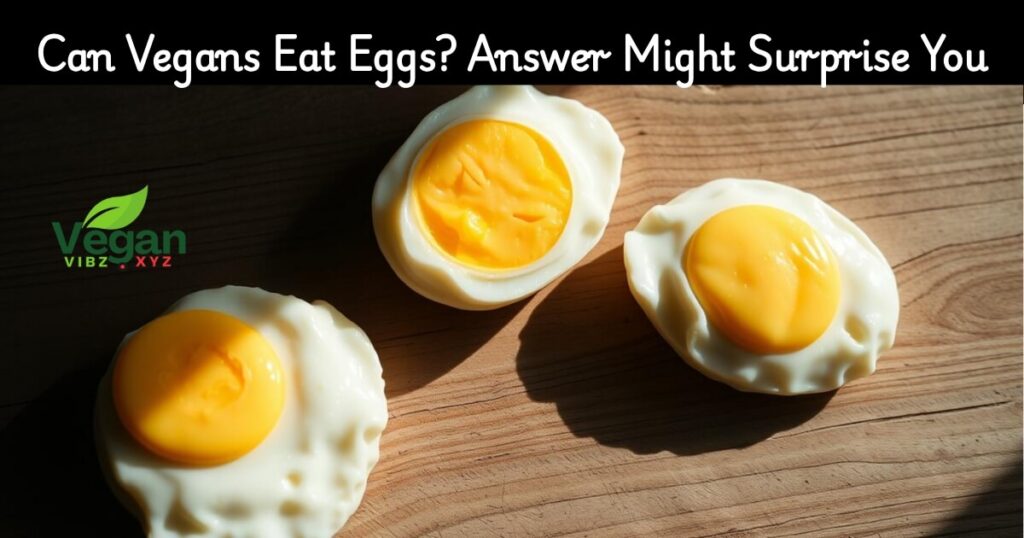
As I delved into veganism, I found out something interesting. Many people wonder can vegans eat eggs. With more people choosing plant-based diets, this question is more common than ever. The vegan diet is becoming more popular, with many adopting this lifestyle.
Choosing a vegan lifestyle can be for many reasons. These include health, environmental, and ethical concerns. But, the question of eggs is more complex than it seems. I’m here to explain the connection between veganism and eggs.
Check: Vegan Diet
Key Takeaways
- Understanding the core principles of a vegan diet.
- Exploring the reasons behind the debate on eggs in veganism.
- Discovering the impact of egg consumption on a vegan lifestyle.
- Learning about alternatives to eggs for vegans.
- Clarifying common misconceptions about veganism and eggs.
My Vegan Journey and the Egg Dilemma
My journey to veganism was not easy. I had to deal with the challenges of plant-based eating and my doubts about eggs. I was motivated by health and animal welfare concerns.
How I Embraced the Vegan Lifestyle
Going vegan was more than just a diet change. It was a lifestyle shift that matched my values. I learned about ethical veganism and its impact on animals and the planet. This opened my eyes to the importance of plant-based eating for sustainability.
As I dug deeper, I started to question my food choices, including eggs. Were they okay for a vegan? The more I learned, the more I saw that it wasn’t a simple yes or no.
The Day I Started Questioning Eggs
Visiting an ethical egg farm was a turning point for me. Seeing how the hens were treated and cared for made me think differently about vegan lifestyle eggs. It made me wonder if eggs could fit with vegan values.
Important things to consider were:
- The treatment and welfare of the hens
- The environmental impact of egg production
- The nutritional value of eggs in a plant-based diet
These points made me think about the gray areas in veganism. It was a tough issue, but it made my vegan commitment stronger and more thoughtful.
What Does Being Vegan Really Mean?

Veganism is more than just a diet. It’s a lifestyle choice that affects many parts of our lives. It’s a philosophy that goes beyond food, influencing how we live and interact with the world.
The Official Definition of Veganism
The Vegan Society defines veganism as “a philosophy and way of living which seeks to exclude as far as is possible and practicable all forms of exploitation of, and cruelty to, animals for food, clothing, and other purposes.” This definition shows the main goal of veganism: to reduce harm to animals.
This means avoiding animal products like leather, fur, and silk. Vegans also avoid products tested on animals. Many vegans don’t eat eggs and dairy, mainly from factory farms.
Different Interpretations and Approaches
Veganism varies among individuals. There are two main types: ethical veganism and environmental veganism.
Ethical Veganism
Ethical veganism centers on animal rights and welfare. Those who follow this path avoid animal products because they see it as wrong to exploit animals. They often don’t eat eggs because of how hens are treated in commercial farms.
Environmental Veganism
Environmental veganism focuses on the environmental impact of our food choices. This approach also often leads to avoiding eggs, but some might choose eggs from sustainable farms as better for the environment.
The choice to include or exclude eggs in a vegan diet varies. It depends on whether you’re driven by ethics or environmental concerns. Understanding veganism’s nuances helps make choices that match your values.
The Traditional Vegan Stance on Eggs
To understand why vegans often avoid eggs, we need to look at the ethics of egg production. Vegans make this choice because of animal welfare and the egg industry’s practices.
Why Most Vegans Avoid Eggs
Vegans steer clear of eggs because of how hens are treated. The egg industry focuses on making money, not caring for animals. This leads to bad conditions for hens.
Commercial Egg Industry Practices
The egg industry is criticized for its inhumane practices. Two big issues are factory farming and killing male chicks.
Factory Farming Conditions
Hens in factory farms live in small, dirty cages. This limits their movement and causes health problems and stress.
Male Chick Culling
Male chicks are killed because they can’t lay eggs. This is seen as a big ethical problem.
There are many vegan egg alternatives for those who don’t eat eggs. These options include store-bought products and homemade recipes. They let vegans enjoy egg-like dishes without supporting bad egg farming.
In summary, vegans don’t eat eggs because of the egg industry’s ethics. As more people learn about these issues, there’s a push for better egg farming.
Can Vegans Eat Eggs? Exploring the Gray Areas
Whether vegans can eat eggs is a complex issue. There are many gray areas to consider. Personal beliefs and ethics are key in making this choice.
Backyard Chickens and Rescue Hens
Keeping backyard chickens or adopting rescue hens is rewarding for many vegans. They can get eggs from these chickens. The question is, does eating these eggs fit with vegan values?
Some believe that if the chickens are treated well and the eggs aren’t sold, it’s okay to eat them.
The “Waste Not” Perspective
The “waste not” view adds another layer of complexity. It focuses on unfertilized eggs. This perspective questions the traditional vegan stance on food waste.
What Happens to Unfertilized Eggs?
Unfertilized eggs are often seen as waste in big farms. But, some vegans see them as a food source. They argue that if these eggs aren’t for hatching, eating them reduces waste.
Reducing Food Waste Arguments
Reducing food waste is a strong argument. It’s a big issue worldwide. Some vegans think eating unfertilized eggs helps with this goal.
| Perspective | Argument |
|---|---|
| Backyard Chickens | Eggs from well-cared-for backyard chickens can be considered vegan if not bought or sold. |
| “Waste Not” | Consuming unfertilized eggs reduces food waste and aligns with broader ethical principles. |
Looking into these gray areas shows that eating eggs as a vegan is a personal choice. It depends on how the chickens are treated and the importance of reducing waste.
Whether to eat eggs is a decision each vegan must make. It’s based on their own ethics and situation.
Ethical Considerations for Vegans Considering Eggs
Egg consumption raises many ethical questions for vegans. These include animal welfare and environmental impact. It’s crucial for vegans to think deeply about these issues when deciding if eggs are okay for their diet.
Animal Welfare Perspectives
The welfare of hens is a big concern for vegans. Hens are treated differently in the egg industry. This ranges from free-range to very intensive farming.
Hen Exploitation Concerns
Many vegans worry about hens being used for egg production. They see it as exploiting hens, even if they are treated well.
Consent and Autonomy Arguments
Some believe hens in free-range systems have some freedom. They think hens’ eggs are a natural part of their behavior, not exploitation. But, whether hens can really consent is still debated.
Environmental Impact Considerations
The environmental effects of egg production are also important. The carbon footprint, water use, and land needed for eggs differ by farming method.
- Free-range and organic eggs are often better for the environment than intensive farming.
- The food given to hens, like soy and corn, can harm forests and homes of other animals.
Vegans must think about the environmental benefits of not eating eggs. They also need to consider the effects of other food choices.
Health Aspects of Eggs in a Plant-Based Diet

Adding eggs to a vegan diet might seem odd at first. Yet, their nutritional value is something to look into. Vegans can learn a lot by exploring the health benefits of eggs.
Nutritional Profile of Eggs
Eggs are packed with important nutrients. They are a great choice for vegans wanting to boost their diet.
Protein and Essential Nutrients
Eggs are a top-notch protein source. They have all nine essential amino acids we need. They also have vitamins like D, B12, and iron, which are hard to find in plant-based foods.
Cholesterol and Health Concerns
Eggs have a lot of cholesterol. But, studies show it doesn’t raise blood cholesterol for most people. Still, those with health issues should talk to their doctor first.
How Eggs Might Complement a Plant-Based Diet
For vegans who eat eggs, they can add valuable nutrients. They are great for athletes or anyone needing more protein.
| Nutrient | Value per Large Egg | % Daily Value |
|---|---|---|
| Protein | 6.3 grams | 13% |
| Vitamin D | 41 IU | 6% |
| Vitamin B12 | 0.6 mcg | 10% |
Knowing what eggs offer, vegans can decide if they fit into their diet.
My Personal Experiment with Ethically-Sourced Eggs
I rescued ex-battery hens and gave them a natural home. This helped me understand the ethics of egg sourcing. It made me wonder if a vegan can eat eggs from their own chickens.
Creating My Backyard Hen Sanctuary
I started by making a safe space for my hens. I built a big coop and made sure it was safe from predators.
Rescuing Ex-Battery Hens
Rescuing hens from battery farms was tough but rewarding. Seeing them become confident again showed their strength.
Providing a Natural Environment
I gave the hens a place to roam and forage. I planted plants they like and made sure they had fresh air and sunlight.
My Observations and Ethical Reflections
Watching the hens helped me think about eating their eggs. It made me question the ethics of it.
Hen Behavior and Egg-Laying
The hens adjusted well and started laying eggs again. Seeing how they interacted with each other was enlightening.
My Decision Process
Deciding to eat eggs from my hens was tough. I thought about their welfare, the environment, and my own ethics. I weighed the good of caring for them against the moral question of eating their eggs.
| Ethical Consideration | My Reflections |
|---|---|
| Animal Welfare | Providing a safe and natural environment improved the hens’ welfare. |
| Environmental Impact | Backyard chickens helped with pest control and provided fertilizer. |
| Personal Ethics | I considered the moral implications of consuming eggs from hens I had rescued and cared for. |
Vegan Egg Alternatives for Those Who Choose to Avoid Eggs
Looking into vegan egg alternatives can really change the game for those living a plant-based life. Whether you’re into baking, cooking, or just need a substitute, there are many options. These alternatives can taste and work like eggs.
Commercial Vegan Egg Replacements
The market for vegan egg replacements has grown a lot. Now, there are many products for different needs.
Plant-Based Egg Products Review
Follow Your Heart’s VeganEgg and Ener-G Egg Replacer are favorites in vegan kitchens. They work like eggs, great for baking and cooking.
Where to Find Them
You can find these products at health food stores or online on Amazon. More supermarkets are also adding vegan egg alternatives to their natural foods section.
| Product | Description | Availability |
|---|---|---|
| Follow Your Heart’s VeganEgg | Made from plant-based ingredients, this product scrambles like eggs. | Online, health food stores |
| Ener-G Egg Replacer | A popular choice for baking, this product replaces eggs without altering flavor. | Online, health food stores, some supermarkets |
DIY Egg Substitutes for Cooking and Baking
Creating your own egg substitutes can be fun and rewarding. It’s a hands-on way to explore.
Baking Replacements
For baking, flaxseed meal mixed with water, chia seeds mixed with water, or applesauce can replace eggs.
Scramble and Omelet Alternatives
To make a scramble or omelet, blend tofu with spices and cook until it looks like scrambled eggs. You can also mix chickpea flour, water, and spices, then cook it in a pan.
Conclusion: Finding Your Own Path in Veganism
My vegan journey has taught me that choosing to eat eggs is a personal decision. Some vegans avoid eggs because of the commercial industry. Others include eggs from backyard chickens or rescue hens in their diet.
It’s important to make choices that match our values and promote kindness and sustainability. Whether you choose vegan lifestyle eggs or egg alternatives, staying true to your principles is key.
The real question is not just about following rules. It’s about living with kindness and respect for all beings. By valuing personal choice, we build a community that supports everyone on their unique path.
FAQ
Can vegans eat eggs?
Vegans usually don’t eat eggs because of how hens are treated in the egg industry. But, some vegans might eat eggs from backyard or rescue hens. This debate is ongoing in the vegan community.
What is the traditional vegan stance on eggs?
Most vegans don’t eat eggs because of the egg industry’s bad practices. This includes factory farming and killing male chicks, seen as cruel.
Can you eat eggs on a vegan diet if they come from your own chickens?
Some vegans might eat eggs from their backyard chickens if the hens are treated well. But, this choice is not for everyone in the vegan community.
Are there vegan egg alternatives?
Yes, there are many vegan egg substitutes. You can buy them or make your own using tofu, flaxseed, and chia seeds.
Can vegans eat eggs from rescue hens?
Some vegans might eat eggs from rescue hens. They see it as a way to appreciate the hens’ work and reduce waste.
What are the health benefits of eggs in a plant-based diet?
Eggs are full of protein and important nutrients. They can add to a plant-based diet, providing nutrients hard to find in plants.
How do environmental considerations impact the decision to eat eggs as a vegan?
The environmental effects of egg production matter a lot. Some think eggs from small, well-managed farms are better for the planet.
Is it vegan to eat eggs from hens that are not exploited?
The debate on eating eggs from well-treated hens is complex. Some believe it can be part of a vegan lifestyle if hens are respected and cared for.
What is the “waste not” perspective on eating eggs as a vegan?
The “waste not” view is that eating eggs from hens is good. It honors the hens’ work and helps reduce food waste.