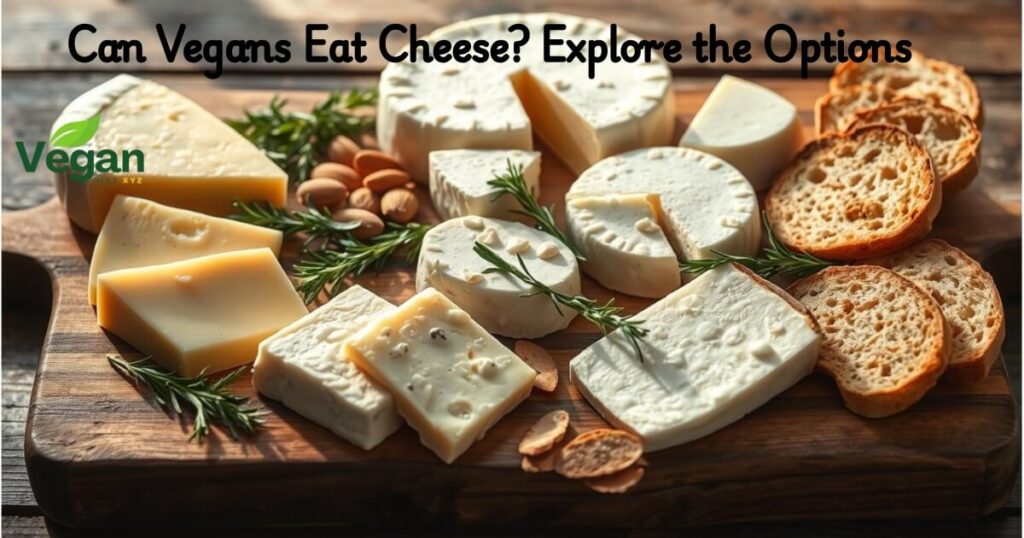
As I explore the world of vegan dietary choices, I’m often asked, “Can vegans eat cheese?” The answer isn’t straightforward, but I’ll guide you through the options available.
The demand for dairy-free alternatives is growing rapidly. Vegan cheese is a big part of this trend. Many are turning to plant-based diets, and the market is responding with a variety of vegan cheese options.
I’ll share my insights on the possibilities and limitations of vegan cheese. This will help you navigate this evolving landscape.
Key Takeaways
- Understanding vegan cheese and its alternatives.
- Exploring the growing demand for dairy-free products.
- Identifying the various vegan cheese options available.
- Learning about the limitations and possibilities of vegan cheese.
- Navigating the evolving landscape of plant-based diets.
The Vegan Cheese Dilemma

More and more people are choosing a vegan lifestyle. This has raised questions about whether vegans can eat cheese. Many are unsure about the different cheese types available.
Traditional cheese comes from animal milk, so it’s not vegan. The way it’s made involves harming animals, which goes against vegan values. Vegans look for dairy-free options that are kind to animals and the planet.
Why Traditional Cheese Isn’t Vegan
Cheese is made from cow, goat, or sheep milk. The dairy industry is linked to animal mistreatment. Animal rennet, a key cheese ingredient, is another issue.
The Growing Demand for Dairy-Free Alternatives
More people want cheese that’s not made from animal products. Plant-based cheese is gaining fans, both vegans and non-vegans. These cheeses are made from nuts, seeds, and soy.
So, Can Vegans Eat Cheese?

Many people wonder if vegans can eat cheese. The answer depends on what vegans choose to eat. Vegans don’t eat anything made from animals, including dairy cheese. This is because of ethical, environmental, or health reasons.
Understanding Vegan Dietary Restrictions
Vegans don’t eat any animal products. This means they can’t have traditional cheese, made from animal milk. But, they can enjoy cheese-like products made from plants.
How Plant-Based Alternatives Fill the Gap
Plant-based cheese alternatives are getting more popular. They taste and feel like real cheese. They’re made from nuts, soy, and coconut oil.
Some well-known vegan cheese brands include:
| Brand | Product |
|---|---|
| Daiya | Mozzarella Shreds |
| Kite Hill | Almond Milk Ricotta |
| Follow Your Heart | Gouda-Style Slices |
As veganism grows, there are more and better vegan cheese alternatives. This makes it easy for vegans to enjoy cheese without giving up their diet. You can try vegan cheese recipes to make tasty dishes at home.
Finding the Best Vegan Cheese Brands
Finding the right vegan cheese can be tough, but there are many great brands out there. The vegan cheese market has grown a lot. Now, there’s a wide range of products for different tastes and diets.
Top-Rated Vegan Cheese Brands in the US
In the US, top vegan cheese brands include Daiya, Follow Your Heart, and Kite Hill. They offer many types, like mozzarella, cheddar, cream cheese, and feta.
How to Select Quality Vegan Cheese Products
When picking vegan cheese, consider a few things. Here are some tips:
Reading Ingredient Labels Effectively
Always check the ingredient list. Make sure it fits your dietary needs. Look for “vegan” or “plant-based” certifications to confirm it’s right for you.
Testing Melting Properties Before Purchase
If you want vegan cheese that melts well, try it before buying a lot. Some brands offer samples or in-store tastings.
Matching Flavors to Your Favorite Dairy Cheeses
Many vegan cheese brands aim to taste like dairy. Try different brands to find the one that tastes like your favorite dairy cheese.
| Brand | Product Range | Notable Features |
|---|---|---|
| Daiya | Mozzarella, Cheddar, Cream Cheese | Melts well, variety of flavors |
| Follow Your Heart | Vegan Gouda, Cheddar, Cream Cheese | Rich flavors, versatile products |
| Kite Hill | Ricotta, Feta, Cream Cheese | High-end, artisanal products |
By thinking about these points and trying different brands, you can find the perfect vegan cheese for you.
Understanding Plant-Based Cheese Ingredients
Exploring vegan cheese, I see a wide range of plant-based ingredients. These alternatives are not just like traditional cheese. They also bring unique health benefits.
Nut-Based Cheeses: A Popular Choice
Nut-based vegan cheeses are loved for their creamy texture. Cashews, almonds, and macadamia nuts are used to make different cheeses. They’re tasty and packed with healthy fats and protein.
Soy and Tofu: Versatile Alternatives
Soy and tofu are key in vegan cheese making. They can be made smooth or firm. These ingredients are rich in protein and often have calcium, making them healthy.
Coconut Oil and Vegetable Starches: Enhancing Texture
Coconut oil and vegetable starches improve vegan cheese’s texture and melting. Coconut oil adds creaminess, while starches help with consistency. Knowing how these ingredients work together is important.
Looking into vegan cheese ingredients helps us make better choices. Whether for health or new tastes, vegan cheese offers a lot.
How to Make Your Own Vegan Cheese at Home
With just a few ingredients, you can make vegan cheese at home. You can choose flavors you like and use healthy, plant-based ingredients.
Creating Basic Cashew Cheese
You’ll need cashews, water, lemon juice, and salt to make basic cashew cheese. Soak the cashews in water for a few hours. Then, blend them with fresh water until they’re smooth.
Add lemon juice and salt to taste. And you’ll have a basic cashew cheese ready for many dishes.
Crafting Almond Feta Alternative
To make almond feta, you’ll need almonds, lemon juice, apple cider vinegar, and salt. Blend soaked almonds with these ingredients until they’re crumbly. This makes a great topping for salads or pasta.
Preparing Stretchy Coconut Milk Mozzarella
Coconut milk mozzarella needs coconut milk, tapioca starch, and lemon juice. Heat the coconut milk with tapioca starch until it thickens. Then, shape it into mozzarella balls.
This stretchy mozzarella is perfect for pizzas or caprese salads.
| Vegan Cheese Type | Main Ingredients | Best Use |
|---|---|---|
| Cashew Cheese | Cashews, Water, Lemon Juice, Salt | Spreads, Dips, Sauces |
| Almond Feta | Almonds, Lemon Juice, Apple Cider Vinegar, Salt | Salads, Pasta Toppings |
| Coconut Milk Mozzarella | Coconut Milk, Tapioca Starch, Lemon Juice | Pizzas, Caprese Salads |
Try different ingredients and techniques to find your favorite vegan cheese. Whether it’s simple cashew cheese or complex coconut milk mozzarella, vegan cheese making offers endless possibilities.
Cooking Successfully with Vegan Cheese
Cooking with vegan cheese can be tricky, but it’s worth it. Whether you’re new to veganism or a seasoned pro, learning to use vegan cheese can make your meals better.
Mastering Vegan Cheese Melting Techniques
Getting vegan cheese to melt right is a challenge. Use top-notch vegan cheese brands like Daiya or Follow Your Heart for better melting. Try grating the cheese or using a double boiler to get the right texture.
Adapting Traditional Recipes for Vegan Cheese
It’s easy to make your favorite dishes vegan. Just swap out the cheese for a vegan version that tastes right. For example, use cashew-based ricotta in lasagna. Remember to adjust the salt.
Troubleshooting Common Vegan Cheese Cooking Problems
Vegan cheese can be finicky. If it’s too oily or separates, try cooking it at a lower temperature or add tapioca starch. Here’s a quick guide to common problems and fixes:
| Issue | Solution |
|---|---|
| Oily texture | Add tapioca starch or adjust brand |
| Separates when melted | Lower cooking temperature or add stabilizer |
| Lack of flavor | Experiment with different cheese for vegans brands or add nutritional yeast |
With these tips, you can make tasty, cheesy vegan dishes. Try out different vegan cheese brands to find your favorites.
Embracing Vegan Cheese in Your Diet
Vegan cheese is not just a dairy-free option; it’s also delicious. The demand for plant-based products has made vegan cheese more sophisticated. Now, it comes in a variety of flavors and textures to suit different tastes.
Knowing about vegan diet and cheese options is key to making good choices. By picking vegan cheese, you follow a vegan lifestyle. You also get the nutritional benefits, as shown in the vegan cheese nutrition facts.
If you’re vegan or just starting, adding vegan cheese to your meals can be exciting. With the knowledge and recipes shared, you’re set to dive into the world of vegan cheese. You’ll find many ways it can make your diet better.
FAQ
Can vegans eat cheese?
Traditional cheese isn’t vegan. But, there are many plant-based cheese alternatives. These are perfect for a vegan diet.
What are some popular vegan cheese brands?
In the US, top vegan cheese brands include Daiya, Follow Your Heart, and Kite Hill. They offer a variety of dairy-free cheese substitutes.
How do I choose a good vegan cheese?
To pick quality vegan cheese, read labels well. Test how it melts. Also, choose flavors that remind you of your favorite dairy cheeses.
What are common ingredients used in vegan cheese?
Vegan cheese often has nuts, soy, tofu, coconut oil, and vegetable starches. These give it different textures and tastes.
Can I make my own vegan cheese at home?
Yes, making vegan cheese at home is easy. You can use cashews, almonds, and coconut milk. Just follow simple guides.
How do I cook successfully with vegan cheese?
To cook well with vegan cheese, learn how to melt it. Adapt recipes to use it. And, know how to fix common cooking issues.
Are vegan cheese alternatives nutritious?
Vegan cheese alternatives can be healthy. But, their nutrition depends on the ingredients. Some are even fortified with vitamins and minerals.
Can I use vegan cheese in the same way as dairy cheese?
Yes, many vegan cheeses can be used like dairy cheese. You can melt, grate, or slice them. But, you might need to adjust some recipes.