If you’re dealing with Polycystic Ovary Syndrome (PCOS), you know how tricky it can be to manage symptoms like irregular cycles, fatigue, or stubborn weight. I’ve been in your shoes searching for ways to feel better without giving up my plant-based lifestyle.
Good news? A PCOS vegan diet can be a total game-changer. In fact, certain plant-based foods can help balance hormones, regulate blood sugar, and even improve energy levels.
In this post, I’ll share my go-to vegan foods for PCOS symptom relief, why they work, and how you can easily add them to your daily meals. If you’re new to the idea, check out my PCOS Vegan Diet Guide for the full picture.)
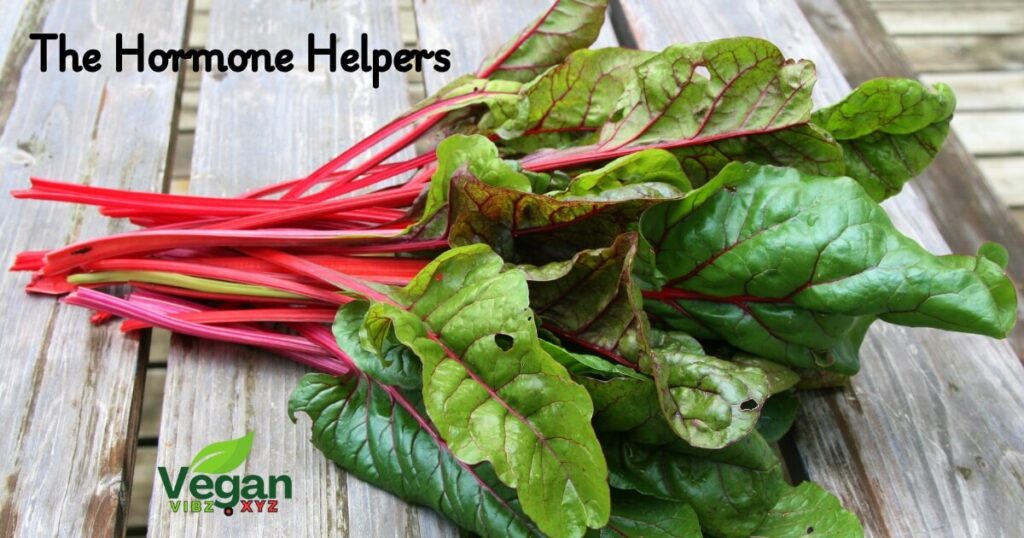
1. Leafy Greens – The Hormone Helpers
Think spinach, kale, collard greens, Swiss chard. These are loaded with vitamins, minerals, and antioxidants that help reduce inflammation — a common PCOS struggle.
Why they help:
Packed with magnesium for better insulin sensitivity.
High in folate to support reproductive health.
How I use them: I toss spinach into smoothies, sauté kale with garlic, or add a big handful of mixed greens to my lunch bowls.
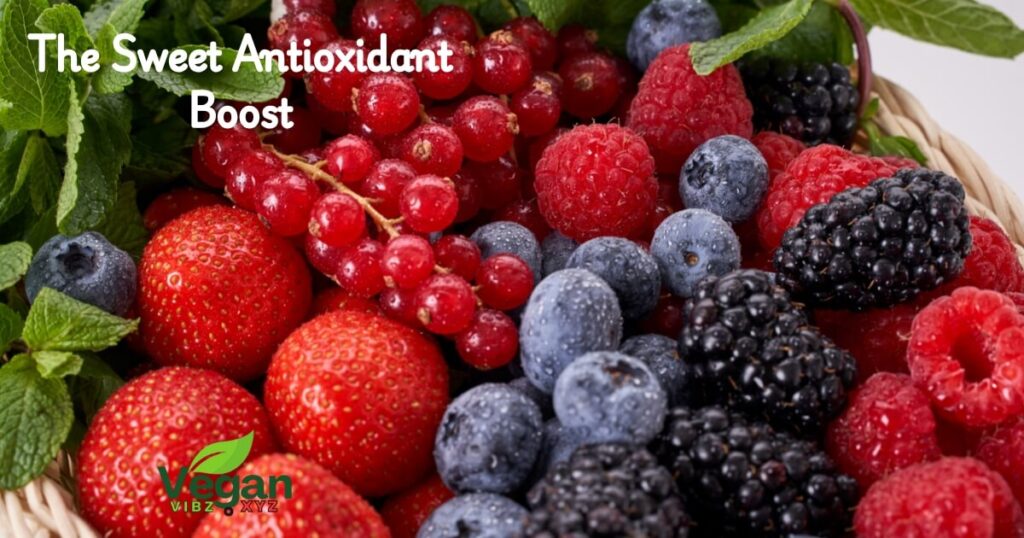
2. Berries – The Sweet Antioxidant Boost
Blueberries, strawberries, raspberries, blackberries nature’s candy without the sugar spikes.
Why they help:
Low glycemic index = won’t cause blood sugar rollercoasters.
High in antioxidants to combat oxidative stress.
Tip: I love making a PCOS-friendly berry chia pudding with almond milk and a dash of cinnamon.
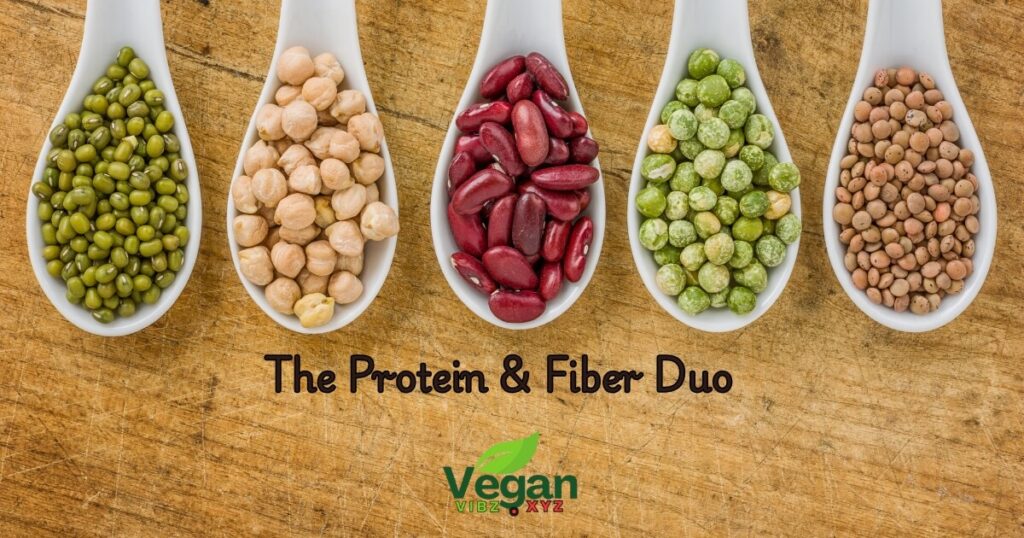
3. Legumes – The Protein & Fiber Duo
Lentils, chickpeas, black beans, kidney beans these little guys are protein powerhouses.
Why they help:
Stabilize blood sugar with slow-digesting carbs.
Keep you full, reducing cravings.
How I use them: Chickpea salads, lentil soups, or hummus as a snack , so easy and satisfying.
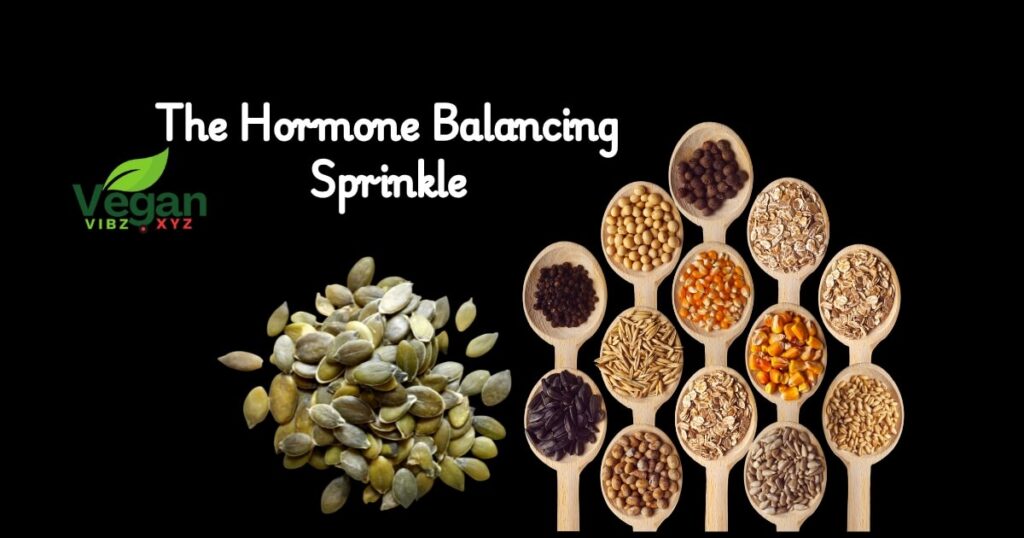
Flax & chia are rich in omega-3s, great for hormone health.
Pumpkin seeds provide zinc, which supports ovulation.
Tip: I keep a “seed mix” jar in my kitchen and sprinkle it over smoothies, oatmeal, and salads daily.
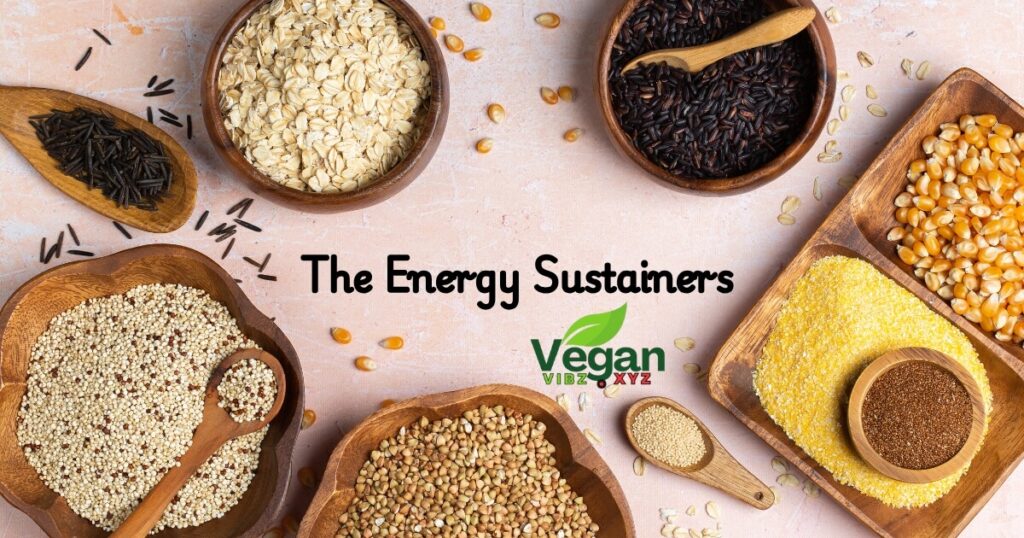
5. Whole Grains – The Energy Sustainers
Quinoa, brown rice, oats, buckwheat. These are unrefined carbs that fuel you without the crash.
Why they help:
High fiber content keeps blood sugar stable.
Rich in B vitamins, which support energy metabolism.
How I use them: Overnight oats for breakfast, quinoa bowls for lunch, buckwheat pancakes on weekends.
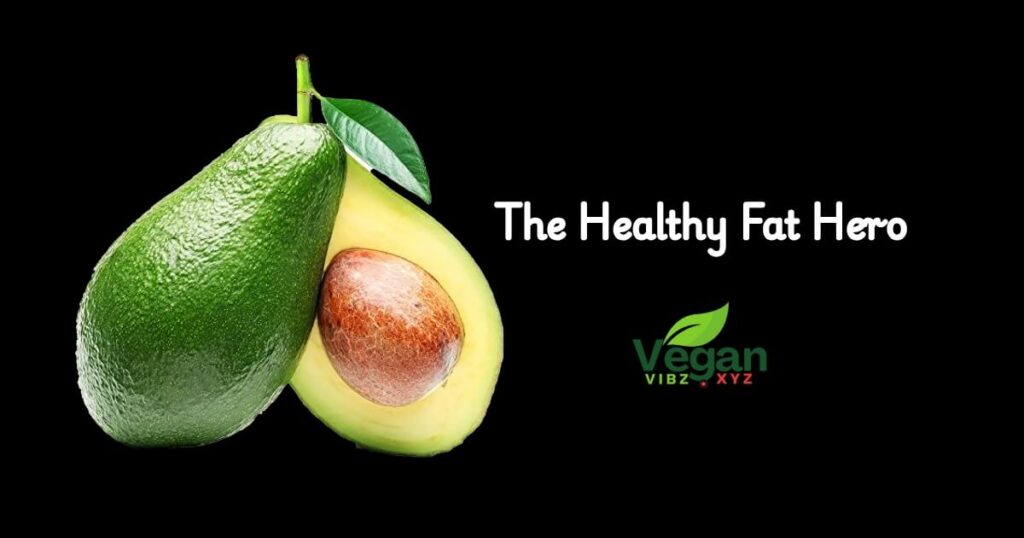
6. Avocados – The Healthy Fat Hero
Creamy, satisfying, and nutrient-packed.
Why they help:
Full of monounsaturated fats to improve insulin sensitivity.
Provide potassium to help reduce bloating.
Tip: I mash avocado on whole-grain toast with hemp seeds quick, filling, and hormone-friendly.
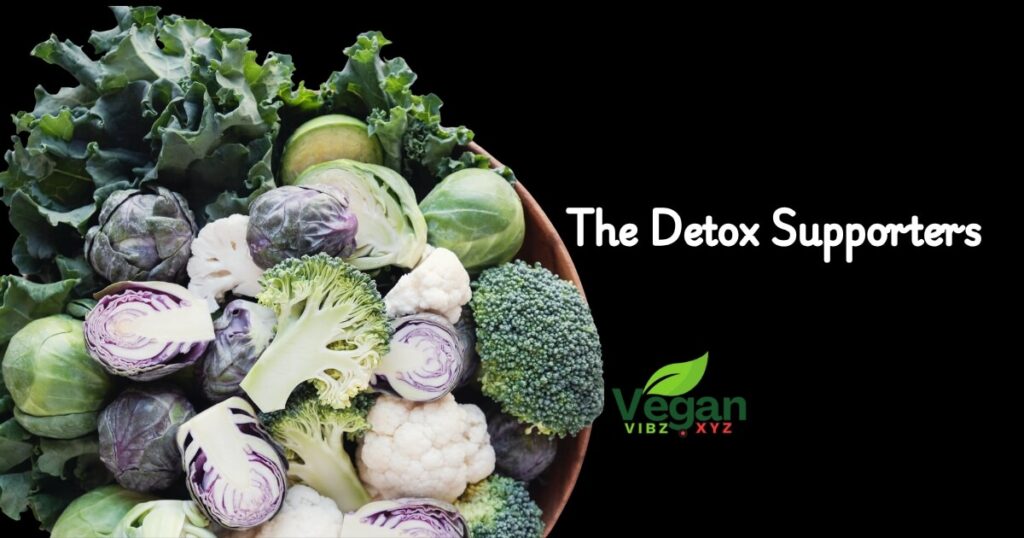
7. Cruciferous Veggies – The Detox Supporters
Broccoli, cauliflower, Brussels sprouts, cabbage.
Why they help:
Support liver detox pathways to help clear excess estrogen.
Rich in fiber to aid digestion.
How I use them: I roast broccoli with olive oil and garlic or make a cauliflower “rice” stir-fry.
PCOS-Friendly Bonus Tip
Even if a food is vegan, portion control and balance matter. Pair carbs with protein and healthy fats to keep your hormones and blood sugar happy.
Bringing It All Together
These foods aren’t just good for PCOS They’re delicious, versatile, and make plant-based eating even more exciting. Start by adding one or two new PCOS-friendly vegan foods each week, and see how your body responds.
Want the full breakdown of meal plans, foods to avoid, and lifestyle tips? ➡️ Read my PCOS Vegan Diet Guide for everything you need to get started.
Final Thoughts
Eating for PCOS doesn’t have to be boring and as you’ve seen, a vegan diet can be both delicious and healing. Start small, add a few of these hormone-friendly foods to your plate each day, and listen to your body.
Want the full step-by-step on balancing hormones and creating a plant-based PCOS meal plan? 👉 Check out my complete PCOS Vegan Diet Guide to start your healing journey.