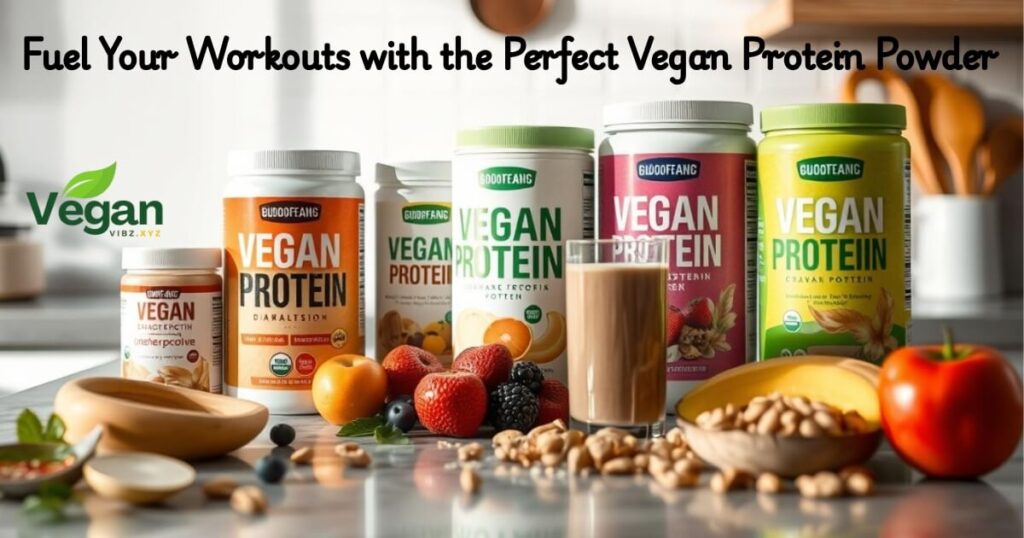
Are you looking to boost your workout performance and recovery with a plant-based supplement? As a fitness enthusiast, you know how crucial proper nutrition is. A top-notch vegan protein powder can be a game-changer for your fitness journey.
The right vegan protein powder can help you build muscle, recover faster, and make your workouts better. With many options out there, picking the right one is key. It should match your dietary needs and fitness goals.
Key Takeaways
- Boost your workout performance with a high-quality vegan protein powder.
- Support muscle growth and recovery with plant-based protein.
- Enhance your overall fitness journey with proper workout nutrition.
- Choose a vegan protein powder that meets your dietary needs.
- Improve your overall health and wellness with a balanced fitness routine.
Why Plant-Based Protein Matters for Athletes
Plant-based protein is gaining popularity among athletes. It offers many benefits for muscle recovery and performance. Understanding its importance can change the game for your fitness goals.
The Science Behind Protein and Muscle Recovery
After working out, your muscles repair and grow. This process needs protein. Protein powder benefits include giving essential amino acids for muscle recovery. This helps you get stronger for your next workout.
The science shows that protein is key for muscle repair. Plant-based proteins work just as well as animal proteins.
Benefits of Choosing Vegan Protein Sources
Choosing vegan protein sources has many benefits. It’s better for the environment and reduces the risk of animal allergens. Vegan proteins are also full of fiber, vitamins, and minerals, boosting your health.
| Protein Source | Muscle Recovery Benefits | Environmental Impact |
|---|---|---|
| Pea Protein | High in essential amino acids | Low water usage |
| Rice Protein | Hypoallergenic and easy to digest | Lower carbon footprint |
| Hemp Protein | Rich in omega-3 fatty acids | Sustainable farming practices |
Adding vegan protein powder to your routine supports muscle recovery. It also helps make the food system more sustainable.
Understanding Different Types of Vegan Protein Powder

Vegan protein powders come in many types, each with its own benefits. You’ll find options for different diets, preferences, and fitness goals.
Pea Protein: The Complete Amino Acid Profile
Pea protein is famous for its complete amino acid profile. It’s great for muscle recovery and growth. It has lots of branched-chain amino acids (BCAAs), like arginine, which helps muscles work and recover.
Rice Protein: Hypoallergenic and Gentle on Digestion
Rice protein is hypoallergenic and easy on your stomach. It’s perfect for those with sensitive stomachs or allergies to other proteins.
Hemp Protein: Rich in Omega-3s and Fiber
Hemp protein is known for its rich omega-3 fatty acids and fiber. It’s good for your heart and digestion. Even though it’s not a complete protein, it has many essential amino acids.
Blended Plant Proteins: Getting the Best of All Worlds
Blended plant proteins mix different sources (like pea, rice, and hemp). They offer a complete amino acid profile and a wide range of nutrients. This blend ensures you get all the amino acids your body needs.
Here’s a comparison of these protein types:
| Protein Type | Amino Acid Profile | Digestibility | Additional Benefits |
|---|---|---|---|
| Pea Protein | Complete | High | Rich in BCAAs |
| Rice Protein | Incomplete | High | Hypoallergenic |
| Hemp Protein | Incomplete | Moderate | Rich in Omega-3s and Fiber |
| Blended Plant Proteins | Complete | Varies | Offers a broad spectrum of nutrients |
How to Choose the Right Vegan Protein Powder for Your Goals
Finding the right vegan protein powder can be a challenge. But, with a step-by-step guide, you can make the best choice for your fitness goals. This ensures you pick a product that matches your needs.
Step 1: Identify Your Fitness Objectives
First, know what you want to achieve in fitness. Do you want to build muscle, lose weight, or boost endurance? Your goals will help you find the right protein and ingredients.
For muscle building: Choose a protein with all essential amino acids.
For weight loss: Opt for a low-sugar, high-fiber protein powder.
Step 2: Check the Protein Content and Amino Acid Profile
Not all vegan protein powders are the same. Look at the protein content and amino acid profile. A good protein powder should have at least 20 grams of protein per serving and all essential amino acids.
- Pea protein is known for its complete amino acid profile.
- Rice protein is hypoallergenic and easy to digest.
- Hemp protein offers a rich source of omega-3s and fiber.
Step 3: Evaluate Additional Ingredients and Additives
Look at the other ingredients and additives too. Some powders have extra nutrients like vitamins and probiotics. Be careful of additives like sweeteners or thickeners if you’re sensitive.
| Ingredient | Benefit |
|---|---|
| Probiotics | Supports gut health |
| BCAA (Branched-Chain Amino Acids) | Promotes muscle recovery |
| Glutamine | Supports immune function |
Step 4: Consider Taste, Texture, and Mixability
The taste, texture, and how well it mixes are important. Pick a flavor you like and a product that mixes well with your favorite liquid.
Try different brands and flavors until you find the perfect one.
Incorporating Vegan Protein Powder Into Your Workout Routine
Working towards your fitness goals means knowing how to use vegan protein powder right. It’s not just about eating protein. It’s also about when and how much you eat it.
Pre-Workout Protein Timing and Dosage
Having vegan protein powder before a workout gives your muscles the amino acids they need. Take 1-2 scoops about 30-60 minutes before. This helps your body digest and absorb it better, reducing muscle damage and boosting performance.
Post-Workout Recovery Shake Recipe
After exercising, a recovery shake is key to refilling your muscles. Mix 1 scoop of vegan protein with 1 cup frozen berries, 1/2 banana, and 1 cup almond milk. Blend until it’s smooth. Enjoy it within 30-60 minutes after your workout to help with recovery.
Using Protein Throughout the Day for Muscle Maintenance
Protein isn’t just for before and after workouts. Eating it throughout the day helps keep your muscles strong. Aim for 20-30 grams of protein at each meal. Add a protein shake between meals or as a snack to hit your daily protein goal.
By adding vegan protein powder to your workout and daily diet, you’ll improve your performance and muscle recovery. This helps you reach your fitness goals more easily.
Delicious Ways to Use Vegan Protein Powder Beyond Shakes
Explore new ways to use vegan protein powder in your cooking. It’s easy to add it to meals and snacks for extra nutrition.
Protein-Packed Smoothie Bowl Recipes
Turn your smoothie into a meal with tasty toppings. Mix your favorite fruits with vegan protein powder. Then, add granola, nuts, and fresh fruits on top. It’s a protein-rich breakfast or snack.
Baking with Vegan Protein Powder
Add vegan protein powder to your baked goods for more protein. Make protein pancakes, muffins, or cookies. It makes your treats healthier and more interesting.
No-Bake Protein Energy Balls and Bars
Make healthy snacks with vegan protein powder, oats, and nut butter. These no-bake energy balls and bars are great for quick protein. They’re perfect for when you’re in a hurry.
Adding Protein to Overnight Oats and Breakfast Foods
Boost your breakfast with vegan protein powder in overnight oats or other dishes. It adds protein, keeping you full and energized all morning.
Using vegan protein powder in different recipes makes your diet more varied and nutritious. Try new ingredients and recipes to discover your favorite dishes.
Conclusion: Maximizing Your Results with Vegan Protein Powder
Incorporating vegan protein powder into your fitness routine can change the game. You’ve learned about the different types and how to pick the right one for your goals. This helps you optimize your workouts and support muscle recovery.
You’ve also learned how to identify your fitness goals and evaluate protein content. By doing this, you can choose a vegan protein powder that fits your needs and boosts your performance. Whether you want to build muscle, increase endurance, or maintain a healthy lifestyle, vegan protein powder can help you reach your goals.
Adding vegan protein powder to your daily routine can bring many benefits. It gives you energy before workouts and helps with recovery after. Start using it today and see the difference it can make in your fitness journey.
FAQ
What is vegan protein powder, and how is it different from regular protein powder?
Vegan protein powder comes from plants like peas, rice, hemp, and soy. Regular protein powder often comes from animals like whey, casein, or eggs. Vegan protein is great for those who eat plants or want a dairy-free option.
How do I choose the best vegan protein powder for my fitness goals?
First, think about what you want to achieve. Look at the protein and amino acids it has. Also, check out the extra ingredients and how it tastes and mixes.
What are the benefits of using pea protein powder?
Pea protein has all nine essential amino acids for muscle growth. It’s also safe for most people to digest and doesn’t cause allergies.
Can I use vegan protein powder for purposes other than making shakes?
Yes, you can use it in many ways. Try it in smoothie bowls, baked goods, energy balls, and even in overnight oats.
How much vegan protein powder should I consume daily?
How much protein you need depends on your age, weight, and how active you are. Athletes and those who work out a lot need 1.2-1.6 grams of protein per kilogram of body weight every day.
Are there any potential allergens or sensitivities I should be aware of when choosing a vegan protein powder?
Yes, watch out for pea, soy, and rice. If you’re allergic or sensitive, make sure to read the label. Look for labels that say hypoallergenic or gluten-free.
How do I ensure I’m getting the best quality vegan protein powder?
Choose products from well-known brands. They should have clear labels, third-party tests, and certifications like NSF International or the International Society for Sports Nutrition.